Nederlands
 Français
 Deutsch
You don’t need to be a botanist to benefit from the power of plants.
What matters is not knowing every compound or name, but using the right ingredients at the right time. Plants contain protein, fats, vitamins and antioxidant compounds that the body uses every day. When they are part of your routine, they naturally influence how you feel, how you think and how your body handles effort.
Superfoods are simply concentrated sources of these elements. They do not change everything at once, but they make daily nutrition more efficient and easier to manage.
At the same time, concentration works both ways. Some ingredients are rich in natural sugars, others contain compounds that require moderation or awareness in specific situations. Knowing how to use them matters just as much as knowing why.
This guide focuses on practical use. Not just what they contain, but when they make the most sense during the day, how to include them in your routine, and what to pay attention to along the way.
Why add superfoods to your routine
They fit easily into everyday eating because they do not require complicated changes.
Minimally processed to retain natural structure and nutrients in a form the body recognises. This makes them practical to use on a daily basis, without relying on heavily modified or synthetic products.
They also work well in small amounts. You can add them to meals you already eat, without rebuilding your entire routine. Because of this, superfoods become a simple way to support energy, recovery and overall balance, using ingredients that are already part of a natural diet.

Why do you need protein?
Protein is one of the main building blocks the body uses every day. It is involved in maintaining tissues, supporting muscle function and helping the body recover after effort.
It also plays a role in immune function, because many of the structures responsible for defence are built from amino acids. When intake is too low, the body has fewer resources to maintain these processes efficiently.
In practice, protein works best when it comes from a mix of sources. Some foods can form the base of a meal, while others work better as additions.
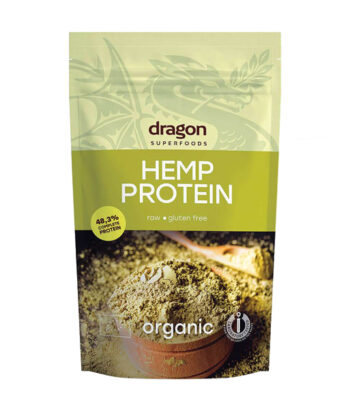
Grains such as quinoa or amaranth, as well as plant-based protein sources like pea or hemp protein, can serve as a foundation. They provide a more substantial amount of protein and help build a balanced meal.
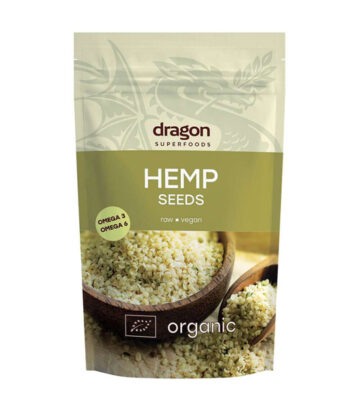
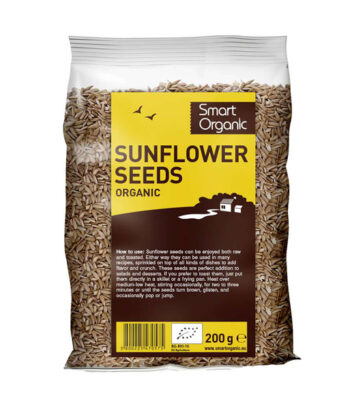
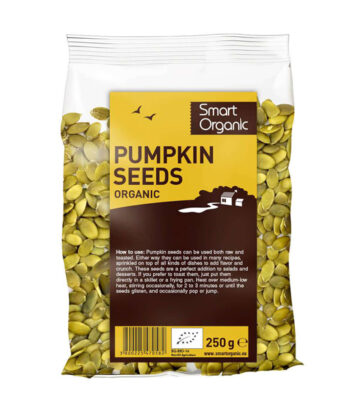
Seeds and smaller ingredients play a different role. Pumpkin seeds, sunflower seeds or chia are easy to add on top of meals, but they are also energy-dense. Because of their fat content, it is better to treat them as an addition rather than the main source of protein.
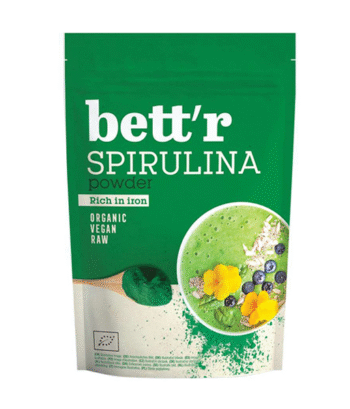
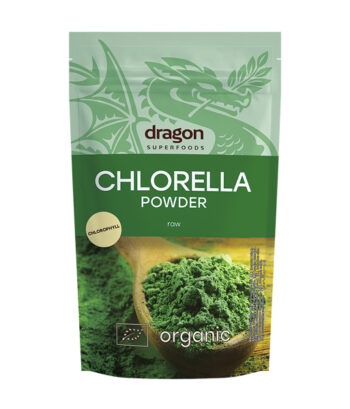
Spirulina and chlorella can be useful when you want to support oxygen transport, recovery and reduce fatigue, thanks to their iron and chlorophyll content. They fit well as a small addition to a smoothie, yogurt or breakfast bowl, especially when your diet feels low in green foods.
They are not for everyone. Be careful with spirulina if you have phenylketonuria, also known as PKU, because it contains phenylalanine. With autoimmune conditions or anticoagulant medication, both spirulina and chlorella should be approached carefully and discussed with a specialist if needed.
This is where balance matters. Using one type of source alone is rarely enough. Combining a solid base with smaller additions makes protein intake more consistent and easier to maintain throughout the day.

Vitamins and minerals. Do you need to get them from supplements?
Vitamins and minerals are often associated with tablets and capsules. In reality, they should come from everyday food, especially in their natural, unprocessed form, which is easier for the body to absorb and often more affordable.
No need for supplements if your meals are rich in nutrient-dense plants.
These nutrients do not work on their own. They take part in daily processes that affect your whole body.
When your intake drops, you start to notice it. Energy becomes less stable, recovery takes longer and the skin may lose its natural balance.
Speaking of skin, this is one of the first places where you notice changes.
It is constantly renewing itself, which means it needs a steady supply of nutrients every day. When that supply is inconsistent, the effects show up in how it looks and feels. First signals: loss of elasticity, slower regeneration or a dull appearance.
One of the key elements here is collagen. Your body builds it continuously, and this process depends on vitamin C. Without enough of it, production becomes less efficient, which affects not only the skin, but also hair and nails.
Acerola, rosehip or berries provide vitamin C together with antioxidants that help your body deal with oxidative stress. This matters, because oxidative stress directly affects how your skin ages and how well it regenerates.
Fats, seeds and oils such as hemp, flax or walnut provide fatty acids that your body uses to maintain the skin barrier. When this barrier works properly, the skin holds moisture better and becomes more resistant to external factors.
Minerals are part of this system as well. Zinc and magnesium are involved in regeneration and structural processes, which is why seeds, grains and nuts appear so often in routines focused on skin and overall appearance.
Some ingredients work better when you use them more specifically. Horsetail is known for its silica content, which is linked to the structure of hair and nails. It is not a base product, but it fits situations where structural support becomes more important.
Not everything works for everyone.
Concentrated products or larger amounts can be harder to tolerate, and the effect depends on consistency, not on single additions.
That is why the focus stays on daily intake. When your meals regularly include whole, nutrient-dense foods, your body has what it needs to maintain skin, hair and nails without relying on isolated solutions.
Looking deeper, this is not only about how your body looks, but how it holds together over time.
Bones, joints and connective tissues depend on a steady supply of minerals and other nutrients too.
This is not something you fix quickly. It builds up over time, just like it can weaken when your diet is inconsistent.
Calcium magnesium and phosphorus, your body uses them every day to maintain structure and keep bones and connective tissues stable.
Amaranth, quinoa or seeds give you these minerals in a form your body can use daily. They are not additives. They become part of your meals and support this system over time.
Connective tissues add another layer. Joints, tendons and cartilage depend on different structural components, and this is where some ingredients are used more specifically.
Horsetail, when you want to support these structures more directly. Its silica content is linked to the condition of connective tissues, especially when the focus is on how the whole system moves and holds together.
Fats and oils provide fatty acids that your body uses to maintain joint comfort and overall flexibility.
At the same time, this is not about single additions. One product will not change much on its own.
What makes the difference is consistency. When your meals regularly include these elements, your body has the conditions it needs to maintain strength and stability over time.
Mental clarity, this is where inconsistency shows up quickly.
Focus drops, thoughts slow down and mental fatigue builds up faster.
Healthy fats maintain cell structure and communication between neurons. Walnut, flax or hemp oils and seeds provide them as part of everyday meals.
Magnesium regulates nervous system activity, which affects how you handle stress and stay focused during demanding periods. Pumpkin seeds, almonds, cocoa and whole grains, these products are rich in it.
Lion’s Mane is linked to nerve growth processes, while Bacopa is associated with memory and learning. Where mental performance becomes a priority, these products become the base.
Green tea gives a more stable stimulation, without sharp peaks and drops.
Higher amounts or combining too many stimulating ingredients can have the opposite effect and make focus less stable.
Consistency still decides. When your meals regularly include these elements, your brain stays clearer and more responsive throughout the day. As you can see, you don’t need pharmacy substitutes or a long list of extras to support your body properly. When your meals are built around real, nutrient-dense ingredients, your body gets steady support across different systems at the same time.

How to slow down cellular ageing
Oxidative stress and free radicals, you see these terms everywhere. But in practice, it comes down to a simple process.
Your body is constantly working. As a result, small imbalances appear. This is normal.
The problem starts when these imbalances build up faster than your body can control them.
Think of it like a day that starts to go off track. One small delay leads to another. You move things around, something gets pushed, something else drops. At some point, it is no longer one issue, but a chain of disruptions.
A day that was supposed to be calm and organised turns into a stressful rush.
This is what is often described as oxidative stress.
This is how this process builds up in the body.
Antioxidants help stop this chain before it spreads further and bring things back into order.
You do not remove it completely. It is part of how your body works. What matters is keeping it under control.
Berries, cacao, green tea or herbs. Used regularly, they help your body limit the build-up instead of reacting only when the effects become noticeable.
The process is closely linked to inflammation. When disruptions accumulate, your body reacts more intensively. Keeping process stable helps avoid that escalation.

No more energy crashes, no more heaviness
People often focus on cutting fats, thinking they are the problem when it comes to weight. In practice, this removes one of the elements that keeps a meal balanced.
Without fats, food passes through your system too quickly. The same happens when fiber is missing. Meals stop being stable and start working in short cycles.
Fats change how digestion works. They slow it down and allow your body to absorb fat-soluble vitamins such as A, D, E and K.
Fiber adds volume and structure to the meal. It binds water and slows down how food breaks down in your gut. Without it, digestion becomes either too fast or too chaotic, which can leave you feeling heavy or uncomfortable after eating.
Oils, seeds, nuts and whole grains are not extras. They are part of a meal that works properly.
When they are missing, meals lose structure. When they are present, digestion becomes more predictable and the body handles the same food differently.
Know what you’re doing. Do it consistently.
You have seen how different elements work in practice. Protein, fats, fiber, vitamins and plant compounds, each of them plays a role, but none of them works on its own.
What makes the difference is how you combine them and how consistently you include them in your day.
There is no need to build a complicated system or rely on isolated solutions. Most of what your body needs is already available in everyday food.
Grains, seeds, oils, fruits, simple plant-based ingredients. When they become part of your routine, they support energy, digestion, recovery and overall balance at the same time.
The key is not in adding more. It is in using what is already there, choosing real, minimally processed organic food and staying consistent with it.
This is what makes nutrition work long term.
Feel strong, live healthy. Start on your plate.
When to eat them? Building your daily rhythm
Morning – light but energizing
Start with what you already eat. Just make it work better.
Add chia seeds and a pinch of cinnamon to your breakfast.
Top it with berries or a small portion of banana.
You get fibre, slower energy release and easier digestion.
If you need more, add hemp or sunflower seeds.
A small portion of plant protein makes it more complete without heaviness.
For a quick option, go with a smoothie.
Fruit, chia seeds, a spoon of acai or moringa.
Light, steady, easy to digest.
If you eat twice in the morning, keep the second meal simple.
Whole grain bread with seeds or yogurt with cacao nibs.
Enough to stay stable without a crash.
Green tea instead of strong coffee keeps the rhythm more even.
No changes. Just better balance.
Full meal – strength and balance
Build your main meal around a solid base.
Quinoa or amaranth gives structure, fibre and steady energy.
Add seeds like pumpkin, sunflower, hemp or chia.
They bring protein, minerals and natural satiety.
Use a small amount of oil instead of heavy sauces.
Hemp, walnut, linseed or sesame oil supports absorption and keeps the whole meal more balanced.
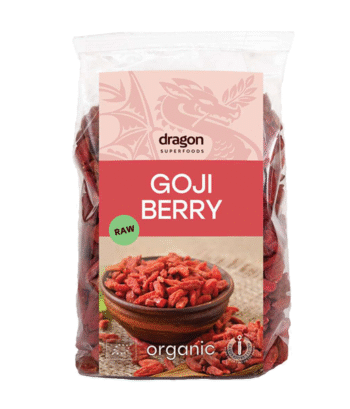
You can add goji berries to salads or warm bowls.
They bring natural micronutrients and work well with savoury meals.
If you want to enrich the meal further, a small addition of moringa can be mixed into the whole dish.
It supports the overall nutrient profile without changing the character of the meal.
Use spices depending on the dish.
Coriander, cardamom, caraway, dill, galangal, lemongrass, lovage, savory or tarragon help your body handle the meal more comfortably.
Keep the structure simple.
Base, seeds, fats, micronutrients and digestion support.
That’s a complete meal.
Evening – calm and recovery
Keep the evening simple. The goal is to slow down and let the body recover.
Go for light options.
A small portion of freeze-dried fruits like raspberry, blueberry, strawberry or pomegranate gives natural antioxidants without heaviness.
These are concentrated forms, so keep the portion small. They contain natural sugars and are not meant for unlimited snacking.
Add mineral support if needed.
A small handful of seeds such as pumpkin or sunflower can help maintain balance after a long day.
Use herbal infusions to shift into a calmer rhythm.
Lemon balm, chamomile, verbena or peppermint are easy ways to settle the system in the evening.
On more demanding days, adaptogens can be included.
Reishi or ashwagandha are often used before sleep when the body needs deeper recovery.
Keep it light and consistent.
Antioxidants, minerals and calming support are enough to prepare for the next day.
Who is this for?
Kate – busy, active, always moving between work and training. She doesn’t have time for complicated routines, but she cares about staying in shape, keeping her energy stable and not losing control over her diet.
Michael – works long hours, often under pressure. He wants food that keeps him focused and steady, without energy crashes or heavy meals that slow him down.
Anouk – manages work, home and kids. She doesn’t follow strict diets. She needs simple, reliable solutions that fit into daily life and work for the whole family.
Johan – wants to stay active and independent. He focuses on light meals, good digestion and feeling comfortable after eating, not heavy or overloaded.
Maria – pays attention to how her body feels and looks. She chooses natural ingredients that support balance, recovery and long-term wellbeing without overcomplicating things.
FAQ
Do I need to eat superfoods every day?
Not all of them. What matters is consistency, not quantity. You don’t need a long list or complicated combinations. A few well-chosen ingredients used regularly are enough to support how your body works over time. It’s about building a rhythm you can maintain, not adding more pressure to your diet.
Is this only for plant-based diets?
Not at all. These ingredients fit naturally into any eating style. They don’t replace your meals, they complement them. You can add them to what you already eat, without changing your diet completely. The goal is to improve balance, not to follow a specific system.
Can kids eat superfoods too?
Yes, but in a simple and natural way. Ingredients like seeds, grains or freeze-dried fruits can be part of everyday meals when used in moderation. The key is to keep portions appropriate and avoid turning them into concentrated snacks. They work best as small additions to regular food, not as standalone products.
Visit our Superfoods category
Discover ingredients that support your health – naturally and without unnecessary extras.