Deutsch
 Français
 Nederlands

Hormones affect more than just the menstrual cycle. They influence your energy, your mood, how well you sleep and how your body responds to stress.
When this balance is disturbed, the effects are often subtle at first. You may feel more tired, less focused or simply not like yourself.
Supporting hormonal balance does not require strict routines or sudden changes. It is based on small, consistent choices that help the body return to its natural rhythm.
In this guide, you will see how simple ingredients can fit into different moments of the day and support this process in a simple, natural way.

Supporting overall hormonal balance
A woman’s hormonal system responds to everyday patterns. Food, sleep, stress and daily rhythm all influence how this system works over time.
When these elements are inconsistent, the body has to constantly adjust. This makes hormonal balance less stable and more sensitive to changes during the cycle.
Supporting this process starts with simple, repeatable choices. The body needs the right building blocks to produce hormones, steady conditions to regulate them and enough nutrients to keep everything working smoothly.
Ingredients such as healthy fats, plant-based proteins and mineral-rich foods are the foundation. Seeds, oils and whole foods provide nutrients that the body uses to maintain hormonal function and overall balance.
Some plants have a long tradition of use in routines focused on hormonal rhythm. They are not used to force change, but to support the body in returning to its natural pattern over time.
This section is about creating that base. When it is in place, the body is better prepared to handle specific challenges that appear in different phases and situations.

Menstrual cycle and fertility support
The menstrual cycle follows a natural rhythm, but it is sensitive to changes in the body. Stress, energy levels and nutrient intake can all influence how regular and stable this rhythm is.
When the cycle is supported properly, it tends to become more predictable and less demanding. This is not about controlling it, but about creating conditions in which the body can regulate itself more smoothly.
Some plants have a long tradition of use in this area. Maca and shatavari fit into routines focused on supporting hormonal rhythm and overall balance during the cycle. Fenugreek works in a similar context, especially when the goal is to maintain a more stable pattern over time.
Stress can easily disrupt this process. Ashwagandha supports how the body responds to tension, which makes the cycle feel more consistent.
Nutrient intake also matters. Pumpkin seeds and hempseed oil provide fatty acids and minerals that support the body during different phases of the cycle. Magnesium plays an important role in the nervous system and helps the body manage tension that can affect cycle comfort.
Daily stability is just as important. Cinnamon and berberine support how the body manages glucose, which influences both energy levels and hormonal balance throughout the cycle.
All these elements support the same direction. They help the body maintain a more consistent rhythm and make the cycle feel more balanced over time.

Thyroid health and metabolic support
The thyroid sets the pace for how your body works. It influences how you use energy, how your body handles temperature, how you digest food and how clearly you think.
When this system slows down, everything feels heavier. Energy drops, focus becomes weaker and daily tasks require more effort.
Working with the thyroid is not about stimulation. It is about creating steady conditions so the body can maintain a consistent metabolic rhythm.
One of the key elements is stable energy. Foods such as quinoa, amaranth and plant-based proteins provide a more even release of energy throughout the day. This helps avoid sudden drops that can make the system feel slower and less responsive.
How the body manages glucose is part of this balance. Cinnamon, berberine and apple cider vinegar help keep energy levels more even, reducing sharp fluctuations that can disturb daily rhythm.
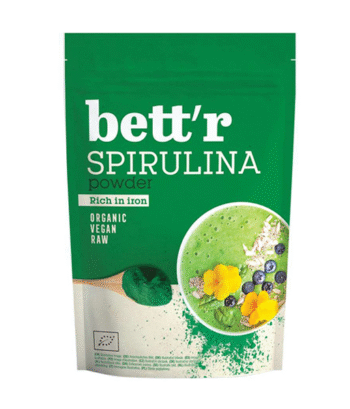
The body also depends on a wide range of nutrients to keep this system running smoothly. Spirulina, chlorella and moringa provide concentrated sources of vitamins and minerals that take part in metabolic processes.
Seeds such as pumpkin and sunflower add fatty acids and minerals that the body uses to maintain daily function and internal balance.
Ingredients like goji berries or acai provide antioxidant compounds that help handle everyday stress at the cellular level. This influences how efficiently energy is produced and used.
Magnesium is involved in many processes linked to energy use and nervous system regulation. When these systems work more smoothly, the overall pace of the body becomes more stable.
All these elements work in the same direction. They help the body maintain a steady rhythm, so energy, focus and daily function remain more consistent over time.

Stress and adrenal
Stress is one of the main factors that disrupt hormonal balance. When it becomes constant, the body shifts its focus toward short-term survival, and other processes begin to lose priority.
This affects energy, mood and overall stability. Over time, it can make the whole system feel less predictable and more reactive.
Working with stress does not mean eliminating it. It means helping the body respond in a more controlled and stable way.
Some plants are known for their role in this area. Rhodiola and holy basil help the body adapt to ongoing pressure and maintain a more balanced response to stress signals. Schizandra and reishi fit into the same approach, especially when the goal is to maintain steady energy without overstimulation.
Mental load is also part of the picture. Ingredients such as bacopa or lion’s mane are included in routines that focus on clarity and cognitive balance during demanding periods.
At the same time, the nervous system needs moments of calm. Lemon balm, chamomile or lemon verbena are often used in the form of warm infusions, helping the body slow down and shift into a more relaxed state.
Daily habits also matter. Green tea provides a more stable form of stimulation compared to stronger sources, while cacao nibs add a mild, natural lift without creating tension.
Magnesium plays a central role in how the body handles stress signals. When its levels are sufficient, it becomes easier to maintain a calmer and more stable internal state.
All these elements move in the same direction. They make the stress response more balanced, so the body can return to a more stable rhythm after demanding situations.

What might a hormone-supporting day look like?
Morning
The morning sets the tone for the rest of the day, so it is better to start in a calm and steady way.
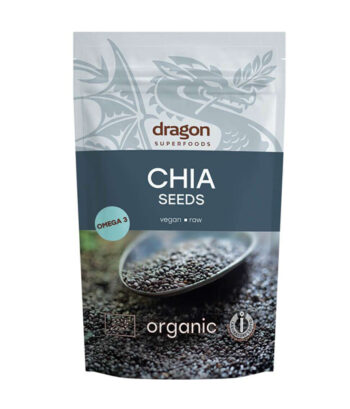
A simple meal such as porridge or yogurt with seeds and fruit works well here. Pumpkin seeds, chia or a small portion of berries fit naturally into breakfast and provide fats and nutrients the body uses early in the day.
If you prefer something warm, green tea is a good option. It gives a gentle lift without creating tension. On more demanding days, you can include maca or ashwagandha as part of your morning routine to help your body stay more balanced from the start.
Midday
During the day, the goal is to keep energy stable rather than constantly pushing for more.
Meals based on grains, vegetables and a source of protein help maintain this balance. Quinoa, amaranth or plant-based proteins fit well here and provide steady energy without heaviness.
Adding healthy fats to meals also makes a difference. Oils such as linseed or walnut oil work best as part of a meal, for example in salads or warm dishes.
If the day becomes more demanding, ingredients like rhodiola or green tea can help maintain a more even level of focus and energy.
Evening
The evening is the moment to slow things down and allow the body to shift out of a stress-driven mode.
Lighter meals work better at this time. Warm food with a small amount of healthy fats feels easier to digest and helps the body move into a calmer state.
Herbal infusions play an important role here. Lemon balm, chamomile or verbena help quiet the system and make it easier to unwind after the day.
If you need additional support in the evening, you can include magnesium in your routine. It helps you relax and makes it easier to release tension after the day.
Who is this for?
Kate – always on the move, combining work, training and high expectations. She starts her day with green tea, adds maca and seeds to stay stable, and uses magnesium and herbal infusions in the evening to avoid burnout and keep her cycle balanced.
Anouk – balancing work, kids and constant responsibility. She keeps her routine simple and repeatable. Seeds, oils and herbal teas help her stay steady during the day and slow down in the evening.
Elena – aware of her body and attentive to patterns. She adjusts her routine based on how she feels. Whole foods, herbs and simple combinations help her support her cycle instead of reacting only when something goes wrong.
FAQ
Can herbs replace hormonal therapy?
No. They can be part of a daily routine that helps the body function more steadily, but they do not replace medical treatment.
Are adaptogens safe with thyroid issues?
If you have a diagnosed condition, it is best to consult a specialist. Some ingredients are used in daily routines, but individual response can vary.
Can food really affect hormones?
Absolutely. Energy levels, nutrient intake and how the body responds to stress all influence hormonal balance over time.
What works better – one ingredient or a routine?
A routine. Consistent daily habits create conditions in which the body can maintain balance more effectively.
Explore our Women’s Hormonal Health category
Discover natural ingredients that fit into your daily routine and help you maintain balance in a simple, consistent way.